
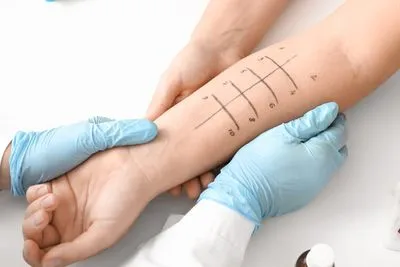
Allergy Skin Testing in Fairfield, CT
At Allergy & Asthma Consultants of Fairfield County in Fairfield, Connecticut, allergy skin testing is one of the primary tools Dr. Aimee Altschul-Latzman uses to help patients figure out what’s triggering their symptoms. Whether it’s sneezing that won’t let up, itchy skin, or unexplained asthma flares, treatment starts with identifying specific allergens.
How Allergy Skin Testing Works
The concept behind allergy skin testing is straightforward: introduce a tiny amount of common allergens to the skin in a controlled setting and observe how the body responds. If there’s a reaction, usually a small bump or redness, it signals a sensitivity.
Most tests involve either a prick method, where allergens are applied using small plastic devices that lightly scratch the skin, or intradermal testing, which uses a small needle to place allergens just under the skin’s surface. Both approaches allow for quick results, often within 15–20 minutes.
What Conditions Allergy Skin Testing Can Help With
People come to Dr. Altschul-Latzman’s office with all kinds of allergy-related concerns. Skin testing helps pinpoint causes for:
- Seasonal allergies (like pollen or mold)
- Year-round allergies (such as dust mites or pet dander)
- Food allergies
- Insect venom allergies
- Certain medication allergies
It’s not a cure, but it’s a starting point. Once you know exactly what you’re reacting to, treatment plans can be much more precise, whether that means medication adjustments, immunotherapy, or simple lifestyle changes.
What to Expect During Your Visit
Allergy skin testing is a low-stress procedure. Patients at Allergy & Asthma Consultants of Fairfield County usually relax in the office while the test is administered and observed. Dr. Aimee Altschul-Latzman and her team make sure patients know what’s being tested and monitor any reactions carefully.
If something does show up positive, it’s not the end of the story. Dr. Altschul-Latzman talks patients through the next steps: how to manage exposure, what treatment options are available, and whether further testing might be needed.